
What is a Wedding Mood Board?
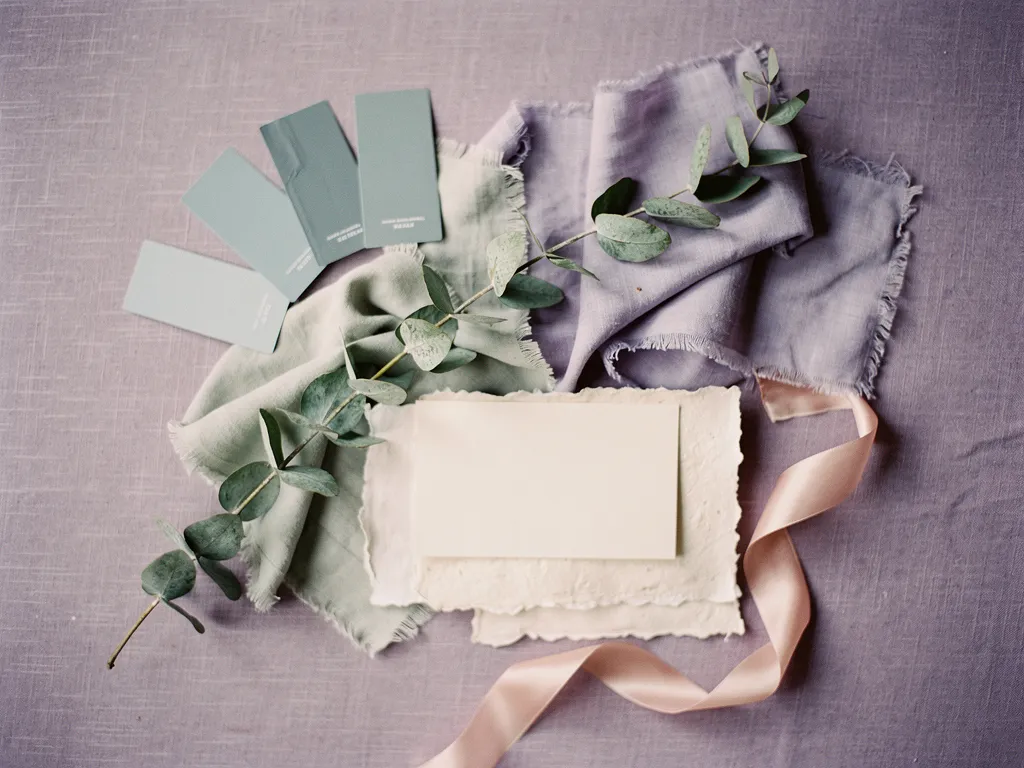
A wedding mood board is a visual guide for your wedding's aesthetic. It's a handpicked collection of color swatches, fabric textures, flowers, and inspiration photos capturing the look and feel you want for your day. This board guides every aesthetic choice, from the bridal bouquet to the table settings. Popular elements often include a specific color palette, like soft sage and blush pink , materials such as chiffon and velvet, and floral inspirations like peonies and ranunculus.
A strong mood board reflects your personal style, not just trends. Avoid including anything that isn't true to you or your partner's taste. Keeping it that way is what makes the board feel authentically yours. Use digital tools or a physical board with swatches and samples to bring your vision to life. For the time-pressed, VeilBoard offers a quick AI-assisted option, creating a mood board based on your preferences.
Benefits of Creating a Wedding Mood Board
A wedding mood board clarifies your vision and aligns everyone involved with the aesthetic you want. It serves as a visual guide, helping you and your vendors stay on track during the planning process. Picture a board filled with ivory peonies, dusty blue silk, and candlelight, it's a snapshot of your dream. A clear color palette and textures, like silk and lace, create a consistent atmosphere. This clarity prevents costly miscommunications and ensures your wedding day feels as cohesive as it looks. Avoid trends that don't suit your style; your mood board should reflect your unique vision.
Step-by-Step Guide to Making a Wedding Mood Board
Creating a wedding mood board means defining your vision, selecting a color palette, choosing textures, gathering imagery, and assembling it all. Start with a clear focus on the look and feel you want to communicate.
Step 1: Define Your Vision and Goals
Clarify what you want your wedding to express. Are you dreaming of a rustic vineyard celebration or a sleek city affair? This will guide every choice.
Step 2: Choose a Color Palette
Select a cohesive set of colors that will anchor your board. Think beyond "blush and bashful", consider hex codes like (champagne) or (olive) for grounded elegance.
Step 3: Select Textures and Materials
Incorporate materials like silk, velvet, or wood for depth. A mix of textures makes your mood board tactile and inviting. Include tangible elements, like fabric swatches, to visualize the tactile experience.
Step 4: Gather Imagery for Atmosphere
Gather images that capture the ambiance. Think peony bouquets, candlelit tables, or a vintage convertible. Avoid trendy images that don't match your style; instead, focus on classic elements that speak to you personally.
Step 5: Assemble Your Mood Board
Combine all elements into a cohesive board. Use a free design app or a physical board with pins and clips. This is where it all comes together, a visual story of your day.
Digital vs. Tangible Mood Boards
Digital mood boards offer flexibility and ease of sharing, while tangible boards provide a tactile, hands-on experience. With digital tools like Pinterest, you can effortlessly organize and rearrange elements, ideal for the indecisive or detail-oriented. Plus, sharing a digital mood board with vendors is as simple as sending a link. However, if you crave flipping through fabric swatches or layering lace over paper, a tangible board might suit you. Scissors, glue, and a corkboard turn inspiration into something you can touch, perfect for those who find creativity in the physical process.
Pros and Cons of Digital Mood Boards
- Pros: Easily editable, shareable, and often free to create. Digital tools let you experiment with color palettes (try for a dusty rose) and layouts.
- Cons: Can feel impersonal or overwhelming with endless online options. Risk of getting lost in Pinterest rabbit holes.
Pros and Cons of Tangible Mood Boards
- Pros: Offers a hands-on creative process, making it easier to visualize textures and layers. Plus, nothing beats pinning a perfect silk ribbon next to a soft peony photo.
- Cons: Less flexible and harder to share with others. Changes require starting from scratch or lots of glue.
Tips for Sharing Your Mood Board with Vendors
Sharing your wedding mood board with vendors requires clarity and precision. Start by ensuring your board includes specific elements like color swatches (think for a soft blush), textiles (silk or velvet), and key florals (peonies or ranunculus). This helps vendors instantly grasp your vision. Use digital formats like PDFs or shared Pinterest boards for easy access. Highlight non-negotiables and personal touches that reflect your style. Avoid vague trends that don't represent you. Finally, schedule a discussion to walk through the board, allowing for questions and adjustments.
Common Mistakes to Avoid When Creating a Mood Board
Common mistakes when creating a mood board include overcrowding with trendy elements, ignoring a cohesive color palette, and overlooking personal style. A mood board should reflect your vision, not just the latest Pinterest trends. Stick to a clear color palette, like a trio of sage green (), ivory (), and antique gold (), to maintain focus. Avoid including anything that doesn't truly represent your style or the atmosphere you want. Skipping this step can lead to a board that feels scattered, not intentional. Overcrowding with too many textures or materials can also dilute your vision. Instead, choose a few key fabrics like silk and linen. Finally, remember that a mood board is for you, not for impressing others. Keep it genuine and true to your aesthetic.
How to Use AI Tools for Mood Board Creation
Choose wedding references, colors, and the first scene you want to see in VeilBoard's visual quiz. Your first preview is free. If you like it, the $19 moodboard adds three images you choose, downloadable board and phone layouts, a palette card, and three creative changes. You can rearrange the photos, choose a title, and share your finished board.
Introduction to VeilBoard
VeilBoard is an AI-powered tool designed to streamline the wedding planning process. By analyzing your preferences through a visual quiz, it provides you with a complete aesthetic package. This includes a mood board, color palette, floral direction, decor ideas, invitations, and a style-summary card. No more endless scrolling or mismatched pins.
Benefits of AI in Mood Board Creation
The main benefit of using AI for your wedding mood board is efficiency. AI tools like VeilBoard eliminate guesswork and ensure your board is cohesive from the start. You'll avoid common pitfalls such as overstuffing with trends that don't fit your style. Plus, it's a boon for those who find traditional board-making tedious or overwhelming.
Incorporating Personal Style and Themes
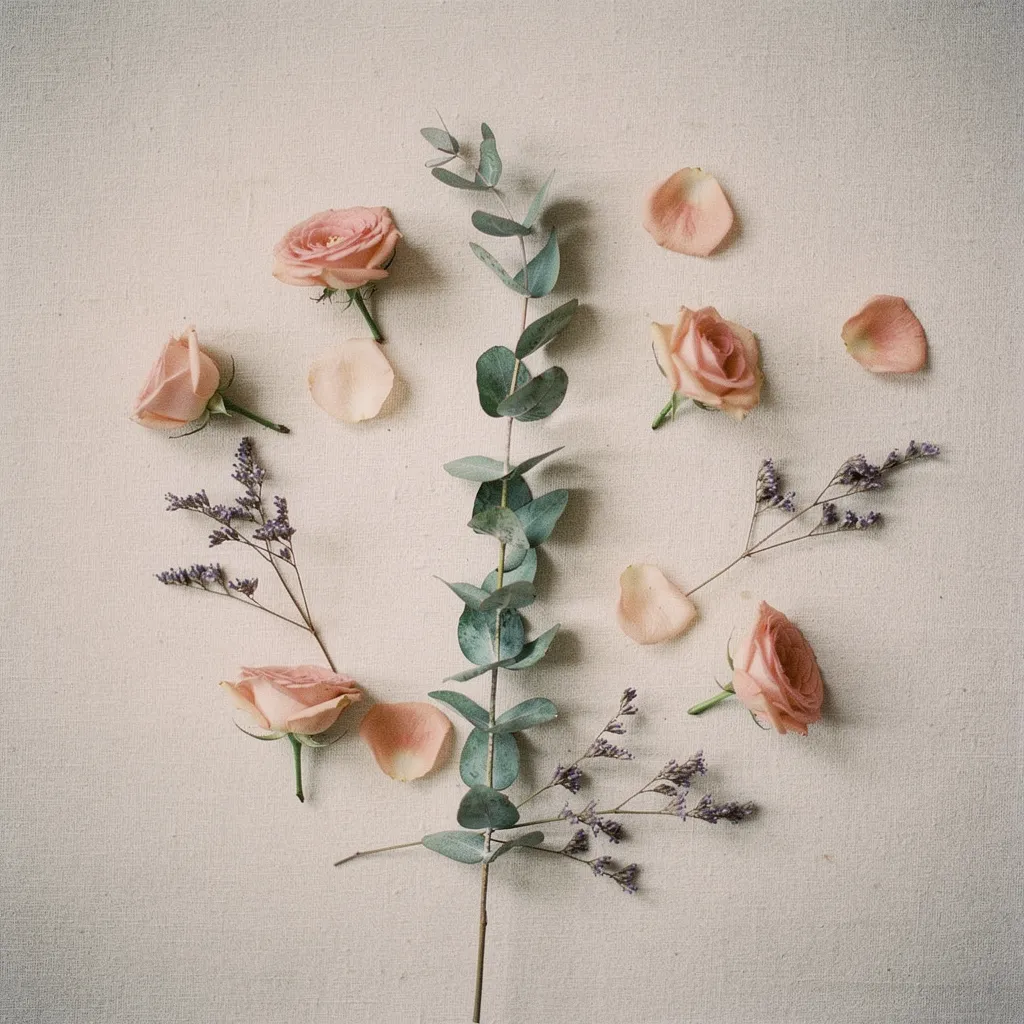
Incorporating personal style and themes into your wedding mood board involves selecting elements that reflect your unique taste and vision. Start with a color palette that feels authentic to you, like classic navy (), blush pink (), or earthy terracotta (). This palette will guide your choices in flowers, fabrics, and decor. For flowers, consider a lush peony as the hero, supported by ranunculus and eucalyptus for texture. Fabrics like silk and linen can enhance the tactile quality of your board.
Aligning with Personal Style
Aligning with personal style means choosing elements that resonate with who you are as a couple. If you're minimalist, lean towards monochrome palettes and clean lines. For a bohemian vibe, opt for rich textures and eclectic patterns. Avoid anything that feels forced or merely trendy, and skip items that don't truly represent your style.
Choosing Themes that Resonate
Choosing themes that resonate requires a focus on atmosphere, which is one of the three main components of a mood board, along with color and texture. Whether it's a romantic garden setting or a modern industrial space, ensure your theme reflects your personal story. A vineyard wedding might incorporate wine tones and rustic wood, while a coastal wedding could highlight sea glass hues and driftwood accents. Your theme should tell a story that feels like yours.